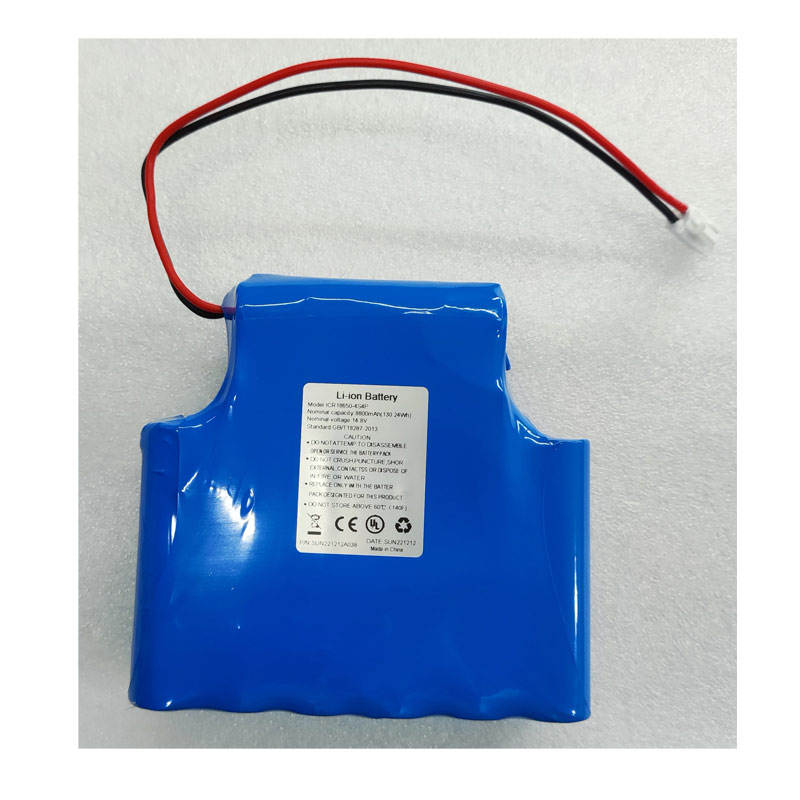
In today’s energy-driven world, 100Ah Batteries have become one of the most widely discussed and deployed energy storage solutions across off-grid systems, RV applications, marine setups, solar installations, and backup power systems. Understanding how these batteries perform under different conditions is吧essential for anyone looking to optimize energy efficiency, lifespan, and cost-effectiveness. While the rating of 100Ah Batteries suggests a standardized capacity, real-world performance can vary significantly depending on chemistry, load behavior, temperature, and usage patterns. This article provides a deep, structured breakdown of everything you need to know about their capacity, performance differences, and practical applications.
100Ah Batteries Performance Overview and Core Concepts
What 100Ah Batteries Really Mean in Practical Terms
A 100Ah rating theoretically means the battery can deliver 100 amperes for one hour or 10 amperes for 10 hours.
However, in real-world applications, 100Ah Batteries rarely deliver their full rated capacity due to inefficiencies, discharge rates, and environmental conditions. This discrepancy is critical for system designers and end-users.
Why Capacity Ratings Can Be Misleading
Manufacturers often rate 100Ah Batteries under ideal conditions, typically at a 20-hour discharge rate. When discharge is faster, usable capacity drops significantly. This is known as the Peukert effect, which plays a major role in performance variation.
100Ah Batteries Chemistry Types and Performance Differences
Lead Acid 100Ah Batteries
Lead acid variants are the most traditional type of 100Ah Batteries. They are cost-effective but suffer from lower depth of discharge (DoD) and shorter cycle life. Flooded, AGM, and Gel are the primary subtypes.
Lithium Ion 100Ah Batteries
Lithium-based 100Ah Batteries offer significantly higher efficiency, deeper discharge capability (up to 90-100%), and longer lifespan. They are lighter and more stable under high load conditions.
Performance Comparison Table
| Battery Type | Usable Capacity | Cycle Life | Weight | Efficiency |
|---|---|---|---|---|
| Flooded Lead Acid | 50-60% | 300-500 cycles | Heavy | Low |
| AGM | 60-70% | 500-800 cycles | Heavy | Medium |
| Lithium Ion | 90-100% | 2000-5000 cycles | Light | High |
100Ah Batteries Real World Performance Factors
Temperature Influence on Output
Temperature has a direct impact on 100Ah Batteries. Cold environments reduce chemical activity, lowering capacity, while excessive heat accelerates degradation.
Load Size and Discharge Rate
Higher loads reduce effective capacity. A 100Ah battery powering a heavy inverter system will not last as long as one powering small DC loads.
System Efficiency Losses
Inverters, wiring resistance, and conversion losses can reduce usable energy by 10-20%, affecting overall performance.
View More>>Comprehensive Knowledge of AG4 LR626 LR66 177 376 377 SR626 and SR626SW Batteries
100Ah Batteries Applications in Modern Energy Systems
Solar Energy Storage Systems
One of the most common uses for 100Ah Batteries is in solar storage. They help store excess solar energy for nighttime or cloudy conditions.
Marine and RV Use Cases
In marine environments and RV systems, 100Ah Batteries provide reliable power for navigation, lighting, and appliances.
Backup Power Solutions
For emergency backup systems, 100Ah Batteries ensure stable energy supply during grid outages.
100Ah Batteries Efficiency and Depth of Discharge Analysis
Understanding Depth of Discharge (DoD)
DoD refers to how much of a battery’s capacity is used. Lithium 100Ah Batteries typically support higher DoD without damage, unlike lead-acid types.
Cycle Life Relationship
The deeper the discharge, the shorter the lifespan for most 100Ah Batteries, especially lead-acid variants.
Efficiency Loss Factors
Heat, internal resistance, and aging contribute to efficiency losses over time.
100Ah Batteries Maintenance and Longevity Strategies
Charging Best Practices
Proper charging is essential to maximize the lifespan of 100Ah Batteries. Overcharging or undercharging can reduce battery health significantly.
Storage Guidelines
When not in use, batteries should be stored at optimal voltage levels and moderate temperatures.
Common Maintenance Mistakes
Ignoring equalization charging (for lead-acid) or exposing batteries to extreme heat are common mistakes that reduce lifespan.
100Ah Batteries Performance Comparison Across Use Cases
Off-Grid Solar vs Grid Backup
In off-grid systems, 100Ah Batteries undergo daily cycling, while backup systems experience occasional use, affecting degradation rates differently.
High Load vs Low Load Systems
High load systems drain 100Ah Batteries faster and reduce efficiency, whereas low load systems extend runtime and cycle life.
Cost Efficiency Analysis
Although lithium 100Ah Batteries have higher upfront costs, their long-term cost per cycle is significantly lower.
View More>>Group 27 vs Group 31 Marine Battery Key Differences Explained
100Ah Batteries Future Trends and Technological Improvements
Advancements in Lithium Technology
New lithium chemistries are improving energy density and safety for 100Ah Batteries.
Smart Battery Management Systems
Modern BMS systems optimize charging, discharging, and monitoring in real time.
Integration with Renewable Energy Grids
100Ah Batteries are increasingly integrated into smart grids for load balancing and renewable energy storage.
Frequently Asked Questions about 100Ah Batteries
1. What does 100Ah mean in batteries?
It means the battery can deliver 100 amps for one hour or a proportional current over time under ideal
conditions.
2. How long does a 100Ah battery last?
It depends on load size, but typically ranges from a few hours to over a day in low-power systems.
3. Are lithium 100Ah Batteries better than lead-acid?
Yes, lithium versions offer higher efficiency, deeper discharge, and longer lifespan.
4. Can 100Ah Batteries run a refrigerator?
Yes, but runtime depends on inverter efficiency and refrigerator power consumption.
5. How many solar panels are needed for 100Ah Batteries?
Usually 200W–400W solar input is sufficient depending on usage and sunlight conditions.
6. Do 100Ah Batteries lose capacity over time?
Yes, all batteries degrade gradually due to chemical aging and usage cycles.
7. What is the best way to extend battery life?
Avoid deep discharges, maintain proper charging cycles, and store in moderate temperatures.
100Ah Batteries represent a versatile and widely used energy storage solution, but their actual performance depends heavily on chemistry, load behavior, and environmental conditions. Whether used in solar systems, marine applications, or backup power setups, understanding their real-world limitations and advantages allows users to make smarter energy decisions. As technology evolves, especially with lithium advancements and smarter management systems, 100Ah Batteries are expected to become even more efficient, durable, and cost-effective for both residential and industrial applications. Selecting the right configuration today can significantly impact long-term energy performance and system reliability.