Key Takeaways
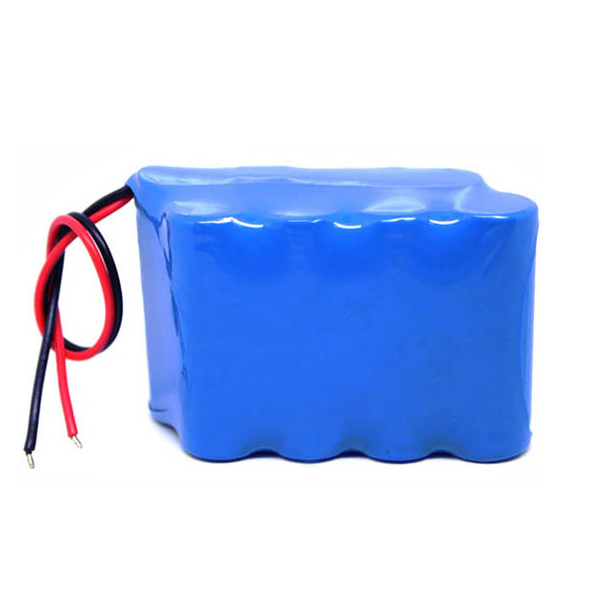
- Optimal Voltage for Moderate Demands: A You Put 8 Volt battery delivers a balanced voltage (8.0–8.4V nominal) ideal for golf carts, medical mobility devices, and industrial floor scrubbers.
- Longer Cycle Life vs. 6V & 12V: 8V batteries often offer a superior cycle life (800–1200 cycles at 50% DoD) compared to standard 6V deep-cycle batteries.
- Weight-to-Power Efficiency: At 55–70 lbs, the You Put 8 Volt provides an excellent weight-to-capacity ratio for electric vehicles and renewable energy storage.
- Maintenance Protocols Differ by Chemistry: Flooded 8V units require regular electrolyte checks, while AGM and lithium 8V batteries are virtually maintenance-free.
- B2B Sourcing Essentials: For commercial buyers, evaluate suppliers on IATF 16949 certification, on-time delivery >98%, and third-party test reports (SGS/TÜV).
Table of Contents
- 1. What Is a “You Put 8 Volt” Battery and Why Does Voltage Matter?
- 2. The Complete 8V Battery Specification Chart
- 3. How to Choose the Right 8V Battery for Your Application
- 4. 8V Battery Chemistries: Flooded vs. AGM vs. Gel vs. Lithium
- 5. Common Uses for the You Put 8 Volt Battery (Golf Carts, Floor Scrubbers, & More)
- 6. Decoding 8V Specifications: Amp-Hours, Reserve Capacity, and Cycle Life
- 7. Expert Maintenance Tips for Your 8V Battery
- 8. B2B Sourcing Guide for 8V Battery Suppliers
- 9. Pros and Cons of the 8V Battery Platform
- 10. FAQ – Everything You Need to Know About 8V Batteries
1. What Is a “You Put 8 Volt” Battery and Why Does Voltage Matter?
When you put 8 volt batteries into service, you are selecting a voltage platform that bridges the gap between the common 6V and 12V systems. The You Put 8 Volt battery is a deep-cycle power source with a nominal voltage of 8.0–8.4V (fully charged 8.49V) and a resting voltage around 8.0V. This voltage level is specifically engineered for applications that require more energy than a 6V battery can deliver but do not need the weight or physical size of a 12V system. You Put 8 Volt batteries are most often used in golf carts (36V or 48V systems using 6 or 8 batteries), floor scrubbers, aerial work platforms, and renewable energy storage.
Why does voltage matter? In a series configuration, six 8V batteries produce 48V—the standard for many commercial electric vehicles. Compared to 6V batteries, an 8V unit offers a higher energy density per cell and often longer cycle life, making it a preferred choice for fleet operators. When you put 8 volt batteries in your equipment, you benefit from a power supply that reduces the total number of batteries needed (fewer connections, lower maintenance) while providing robust cold-cranking performance for motors and pumps.
Why the 8V Battery Is a Smart Choice for Heavy-Duty Applications
The You Put 8 Volt battery is designed for deep, repeated discharges. Its 8V architecture allows for a taller cell design within the same footprint, increasing the plate surface area and active material. This translates to higher amp-hour (Ah) ratings compared to 6V batteries of similar physical dimensions. For example, a standard Group 8V battery delivers 150–200 Ah, whereas a comparable 6V battery often only provides 100–135 Ah. When you put 8 volt batteries into your equipment, you gain up to 30% more run time per charge cycle.
2. The Complete 8V Battery Specification Chart
Below is a comprehensive specification table for the most common You Put 8 Volt battery models available on the market. This chart helps you compare physical dimensions, capacity, and terminal types.
| Model / BCI Group | Length (in) | Width (in) | Height (in) | Ah @ 20Hr | Typical Weight (lbs) |
|---|---|---|---|---|---|
| GC8 (Golf Cart 8V) | 10.25 | 7.06 | 10.88 | 170–180 | 62–66 |
| L16-8V (Floor Scrubber) | 13.75 | 7.06 | 12.00 | 200–225 | 78–84 |
| 8V-AGM (Sealed) | 10.25 | 7.06 | 10.88 | 155–165 | 59–63 |
| 8V-LFP (Lithium) | 10.24 | 6.89 | 9.84 | 150–160 (100% DoD) | 36–42 |
| 8V-Gel (Solar/RV) | 10.25 | 7.06 | 10.88 | 160–170 | 60–64 |
3. How to Choose the Right 8V Battery for Your Application
Selecting the ideal You Put 8 Volt battery involves evaluating your equipment’s voltage requirements, physical space, and daily energy consumption. Follow these seven steps to make an informed decision.
- Verify System Voltage: 8V batteries are used in 24V, 36V, or 48V systems. Count the number of batteries in your current bank.
- Measure the Battery Compartment: Check length, width, and height clearance; compare with the specification table above.
- Calculate Daily Amp-Hour Usage: Estimate runtime needed; choose an Ah rating that provides at least 20% headroom.
- Select Chemistry: Flooded (low cost, requires watering), AGM (maintenance-free), Gel (deep-cycle), Lithium (lightweight, long life).
- Terminal Type: Standard L-post, threaded stud, or automotive post – confirm compatibility with your cables.
- Check Warranty: Premium 8V batteries offer 2–5 year warranties.
- Consider Operating Temperature: For extreme cold (< 20°F), increase CCA rating; for hot climates, AGM or Gel resist thermal runaway.
View more>>voltage AAA battery All Complete Guide Benefits Uses and Expert Tips
4. 8V Battery Chemistries: Flooded vs. AGM vs. Gel vs. Lithium
The You Put 8 Volt battery is available in four primary chemistries, each with distinct advantages. Use the comparison table below to choose the right type for your needs.
| Chemistry | Cycle Life (50% DoD) | Maintenance | Weight (lbs) | Best For |
|---|---|---|---|---|
| Flooded Lead-Acid | 600–800 | Water checks, equalization | 62–66 | Golf carts, budget fleets |
| AGM (Absorbent Glass Mat) | 800–1000 | Maintenance-free | 59–63 | Floor scrubbers, RVs |
| Gel Battery | 900–1100 | Sealed, no watering | 60–64 | Solar, marine, extreme temps |
| Lithium-Ion (LFP) | 2500–3000+ | Maintenance-free, BMS | 36–42 | Premium EVs, off-grid |
5. Common Uses for the You Put 8 Volt Battery (Golf Carts, Floor Scrubbers, & More)
When you put 8 volt batteries to work, you’ll find them in a wide range of commercial and recreational applications. Their 8V voltage allows engineers to design efficient multi-battery banks that deliver high total voltage without requiring an excessive number of individual cells.
- Golf Carts (36V/48V): Six 8V batteries = 48V system; four 8V = 32V (older carts).
- Floor Scrubbers & Sweepers: Heavy-duty 8V AGM batteries for all-day cleaning.
- Aerial Work Platforms (Scissor Lifts): Reliable 8V deep-cycle power.
- Electric Forklifts: Some narrow-aisle forklifts use 8V batteries for compact footprints.
- Renewable Energy Storage: Off-grid solar banks with 24V or 48V inverters.
- Medical Mobility Devices: Power chairs and patient lifts.
- Marine Trolling Motors: 24V/36V systems using 8V batteries.
6. Decoding 8V Specifications: Amp-Hours, Reserve Capacity, and Cycle Life
Understanding the technical specifications of a You Put 8 Volt battery ensures you select the right model for your runtime and power demands.
- Amp-Hours (Ah @ 20Hr): The total energy storage capacity. For an 8V battery, 170 Ah means it can deliver 8.5 amps for 20 hours at 80°F.
- Reserve Capacity (RC): Minutes the battery can sustain a 25-amp load at 80°F before dropping to 1.75V per cell (5.25V total). Typical 8V RC = 120–150 minutes.
- Cycle Life: Number of discharge/charge cycles before capacity drops to 80% of rated Ah. Flooded 8V = 600–800 cycles at 50% DoD; Lithium 8V = 2500+ cycles.
- CCA (Cold Cranking Amps): While 8V batteries are not primary starting batteries, some offer 400–600 CCA for combined start/deep-cycle use.
View more>>Ultimate Guide Battery Group Complete Guide Benefits Uses and Expert Tips
7. Expert Maintenance Tips for Your 8V Battery
Proper care doubles the lifespan of your You Put 8 Volt battery. Follow these chemistry-specific guidelines.
Flooded 8V Battery Maintenance
- Check electrolyte levels every 2–4 weeks; top up with distilled water only.
- Perform equalization charge monthly (15.5V for 8V battery) to prevent sulfation.
- Clean terminals and apply anti-corrosion spray.
AGM & Gel 8V Maintenance
- Keep charging voltage between 9.0–9.6V (bulk) and 8.4–8.6V (float).
- Do not overcharge; use a smart charger with temperature compensation.
- Inspect for bulging or cracks – replace if damaged.
Lithium 8V Maintenance
- Use a charger specifically programmed for LiFePO4 8V (8.4V max).
- Avoid discharging below 20% capacity to preserve cycle life.
- Store at 50% charge in a cool, dry location.
8. B2B Sourcing Guide for 8V Battery Suppliers
For procurement professionals, sourcing a You Put 8 Volt battery from a reliable supplier is critical for fleet uptime. This comparison table ranks top global suppliers based on capacity, certifications, and customer reviews.
| Supplier | Location | Certifications | On-Time Delivery | Review Score | Reorder Rate |
|---|---|---|---|---|---|
| Zhongyin (Ningbo) | Zhejiang | IATF 16949, ISO 9001 | 100% | 5.0/5.0 | 50% |
| Spaceflight Power Supply | China | ISO 9001, UN38.3 | 100% | 5.0/5.0 | 60% |
| Shenzhen Yabo Power | Guangdong | ISO 9001, CE | 96.1% | 4.8/5.0 | 24% |
| Jiangxi Oursun New Energy | Jiangxi | ISO 9001, TÜV | 94.4% | 5.0/5.0 | 37% |
Key Supplier Evaluation Criteria
- Certifications: IATF 16949 (automotive grade), ISO 14001 (environmental).
- Production Capacity: Minimum 10,000 units/month.
- Sample Testing: Request SGS or TÜV test reports for cycle life and CCA.
- Response Time: Top suppliers reply within 2 hours.
- Warranty: 12–24 months for commercial 8V batteries.
9. Pros and Cons of the 8V Battery Platform
Before you put 8 volt batteries into your fleet, review the advantages and disadvantages to ensure this voltage matches your operational needs.
| Pros | Cons |
|---|---|
| Higher Ah per cell vs. 6V batteries | Fewer charger options compared to 12V |
| Longer cycle life (800–1200 cycles) in deep-cycle applications | Heavier than equivalent lithium 8V |
| Wide availability in golf cart and industrial segments | Flooded versions require regular maintenance |
| Standardized footprint (GC8, L16) | Higher cost per Wh than 6V in some regions |
10. Frequently Asked Questions About 8V Batteries
1. What exactly does “You Put 8 Volt” mean in practical terms?
When you put 8 volt batteries in a system, you are using a nominal 8V deep-cycle power source. It is commonly used in 24V, 36V, or 48V configurations for golf carts, floor scrubbers, and industrial equipment. The 8V voltage offers a middle ground between 6V and 12V for optimized energy density.
2. Can I replace my 6V golf cart batteries with 8V batteries?
Not directly – you must reconfigure your series/parallel connections to match the system voltage. For example, a 36V system with six 6V batteries can be converted to four 8V batteries (32V) or six 8V batteries (48V) if the motor controller supports 48V. Always consult your equipment manual.
3. How long does an 8V battery last on a single charge?
Runtime depends on Ah capacity and load. A 170 Ah 8V battery powering a 48V golf cart (drawing 56A) will run for approximately 3 hours. For light loads (20A), runtime can exceed 8 hours. Always calculate using: Runtime (hrs) = Ah × 0.8 / Load (amps).
4. Is an 8V AGM battery better than a flooded 8V battery?
AGM 8V batteries are maintenance-free, vibration-resistant, and have a lower self-discharge rate (2–3% per month vs. 5–8% for flooded). They also perform better in cold weather. However, flooded 8V batteries are less expensive and can offer slightly higher Ah ratings for the same footprint.
5. What charger voltage is required for an 8V battery?
A fully charged 8V battery reads 8.49V (at rest). Bulk charging voltage for flooded/AGM 8V = 9.0–9.6V; float voltage = 8.4–8.6V. Lithium 8V requires a charger that limits voltage to 8.4V (3.6V per cell). Always use a charger with the correct profile.
6. How do I store an 8V battery during winter?
Store the battery at 50% state of charge in a cool (50–70°F), dry location. For flooded types, ensure electrolyte covers the plates. Recharge every 2–3 months to prevent sulfation. AGM and lithium can be stored longer without maintenance.
7. Are 8V lithium batteries worth the higher upfront cost?
Yes, for intensive daily use (fleets, commercial floor scrubbers), an 8V lithium battery pays for itself in 2–3 years through longer cycle life (2500+ cycles), reduced downtime, and zero maintenance. The total cost of ownership is significantly lower than flooded or AGM over 5+ years.