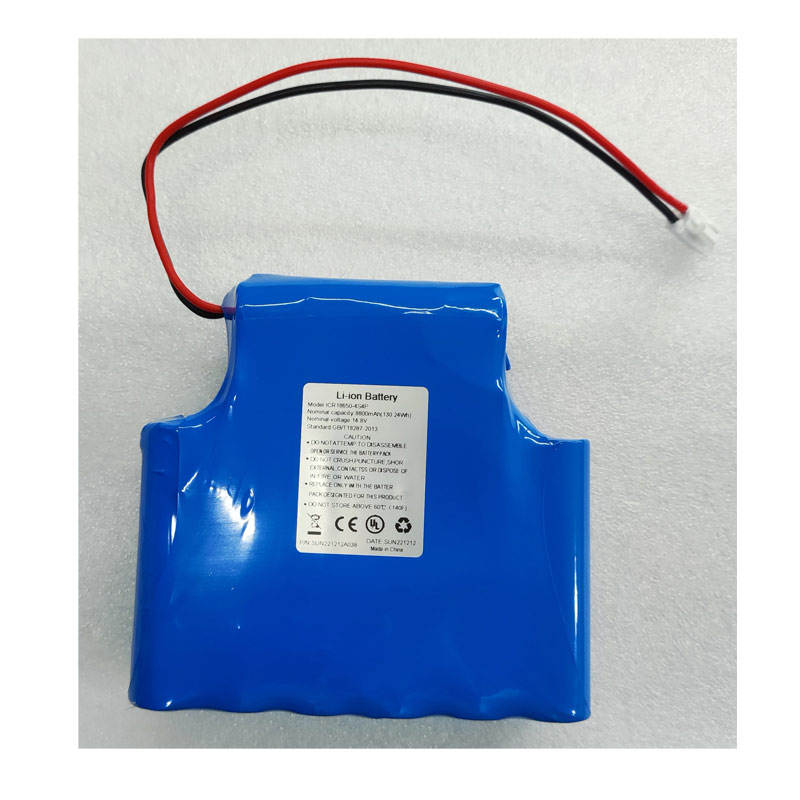
A 4Ah Battery is one of the most common battery capacities found in power tools, backup systems, portable electronics, mobility equipment, and recreational devices. Whether you are choosing a replacement battery or trying to understand how long a battery will last, knowing what a 4Ah Battery means can help you make better purchasing and usage decisions.
Battery capacity directly affects runtime, efficiency, and overall user experience. However, many people mistakenly assume that a higher amp-hour rating automatically means better performance. In reality, voltage, battery chemistry, discharge rate, charging habits, and application requirements all play important roles.
This comprehensive guide explains everything you need to know about a 4Ah Battery, including how it works, its benefits, common applications, runtime expectations, maintenance strategies, and expert recommendations for maximizing battery lifespan and performance.
- What Is a 4Ah Battery and What Does It Mean
- How a 4Ah Battery Works in Real Applications
- Benefits of Using a 4Ah Battery
- Types of 4Ah Battery Technologies
- 4Ah Battery Runtime Explained
- Common Applications for a 4Ah Battery
- Charging a 4Ah Battery Correctly
- Maintenance Tips for a 4Ah Battery
- How to Choose the Best 4Ah Battery
- Future Trends in 4Ah Battery Technology
- Final Thoughts on a 4Ah Battery
- 4Ah Battery Frequently Asked Questions

What Is a 4Ah Battery and What Does It Mean
The term amp-hour (Ah) measures battery capacity. A 4Ah Battery is theoretically capable of delivering 4 amps of current for one hour before becoming fully discharged.
For example:
- 4 amps for 1 hour
- 2 amps for 2 hours
- 1 amp for 4 hours
- 0.5 amps for 8 hours
In practice, actual runtime varies because of temperature, battery age, efficiency losses, discharge rates, and equipment demand.
A 4Ah Battery represents storage capacity rather than power output. Power output depends on both battery capacity and voltage.
Understanding Watt-Hours
Battery energy is often expressed in watt-hours (Wh):
Watt-Hours = Voltage × Amp-Hours
| Battery Voltage | Capacity | Energy |
|---|---|---|
| 12V | 4Ah | 48Wh |
| 18V | 4Ah | 72Wh |
| 24V | 4Ah | 96Wh |
| 36V | 4Ah | 144Wh |
This demonstrates why two batteries with the same 4Ah rating can provide very different amounts of usable energy.
How a 4Ah Battery Works in Real Applications
A battery stores chemical energy and converts it into electrical energy when connected to a load. During discharge, chemical reactions inside the battery produce electrons that flow through the connected device.
The capacity rating indicates how much charge the battery can store. A 4Ah Battery contains enough stored charge to deliver four amp-hours of electricity under specified test conditions.
Discharge Characteristics
Battery performance changes depending on:
- Load current
- Ambient temperature
- Battery chemistry
- Age of battery
- State of charge
Higher loads often reduce available capacity because batteries become less efficient at elevated discharge rates.
Charge and Discharge Cycles
Every recharge cycle causes slight degradation. Modern lithium batteries often provide between 500 and 3,000 cycles depending on design and operating conditions.
View More>>Is Replacing Rechargeable Batteries in Solar Lights Worth It
Benefits of Using a 4Ah Battery
The popularity of a 4Ah Battery comes from its balance between runtime, size, weight, and cost.
Longer Runtime
Compared with 2Ah batteries, a 4Ah Battery generally delivers approximately double the operating time.
Improved Productivity
Users spend less time swapping batteries and more time completing tasks.
Cost Efficiency
Although larger batteries cost more initially, they can reduce downtime and improve overall productivity.
Versatility
A 4Ah Battery is suitable for numerous devices, including:
- Power tools
- Portable electronics
- Medical devices
- Security systems
- Emergency lighting
- Mobility equipment
Types of 4Ah Battery Technologies
Not all batteries are created equal. Different chemistries provide unique advantages.
Lithium-Ion 4Ah Battery
Lithium-ion batteries dominate modern portable power applications because of their high energy density and lightweight design.
| Feature | Lithium-Ion |
|---|---|
| Energy Density | High |
| Weight | Low |
| Cycle Life | 500-3000+ |
| Maintenance | Minimal |
| Charging Speed | Fast |
Lead-Acid 4Ah Battery
Lead-acid batteries remain popular because of affordability and reliability.
- Low purchase cost
- High surge current capability
- Suitable for backup systems
- Heavier than lithium batteries
Nickel-Metal Hydride 4Ah Battery
NiMH batteries offer moderate energy density and environmental benefits compared with older nickel-cadmium technology.
4Ah Battery Runtime Explained
One of the most common questions users ask is how long a 4Ah Battery will last.
Runtime depends on current draw.
Formula:
Runtime (hours) = Battery Capacity (Ah) ÷ Load Current (A)
| Current Draw | Estimated Runtime |
|---|---|
| 0.5A | 8 Hours |
| 1A | 4 Hours |
| 2A | 2 Hours |
| 4A | 1 Hour |
| 8A | 30 Minutes |
Real-World Runtime Factors
- Temperature conditions
- Battery health
- Equipment efficiency
- Discharge rate
- Voltage stability
Therefore, actual runtime may differ from theoretical calculations.
Common Applications for a 4Ah Battery
A 4Ah Battery serves a wide range of industries and consumer products.
Power Tools
Cordless drills, impact drivers, circular saws, and grinders commonly use 4Ah battery packs because they balance runtime and portability.
Emergency Backup Systems
UPS units, alarm systems, and emergency lighting often incorporate a 4Ah Battery for dependable backup power.
Medical Equipment
Portable healthcare devices rely on consistent power and predictable runtimes.
Mobility Devices
Electric scooters and lightweight mobility products frequently utilize compact lithium battery packs.
Consumer Electronics
Many portable electronics use battery packs equivalent to 4Ah capacity levels.
Charging a 4Ah Battery Correctly
Proper charging practices significantly influence battery lifespan.
Use the Correct Charger
Always match charger voltage and battery chemistry specifications.
Avoid Overcharging
Modern chargers typically include automatic shutoff features, but using approved chargers remains essential.
Recommended Charging Current
A common charging rate is between 0.5C and 1C.
For a 4Ah Battery:
- 2A charging current = 0.5C
- 4A charging current = 1C
Charging Time Estimates
| Charging Current | Approximate Charge Time |
|---|---|
| 1A | 4-5 Hours |
| 2A | 2-3 Hours |
| 4A | 1-1.5 Hours |
Maintenance Tips for a 4Ah Battery
Proper care extends battery life and improves reliability.
Store at Moderate Temperatures
Extreme heat accelerates degradation, while extreme cold reduces available capacity.
Avoid Deep Discharge
Repeatedly draining batteries to zero can shorten lifespan.
Keep Contacts Clean
Clean battery terminals periodically to ensure efficient electrical connections.
Follow Manufacturer Guidelines
Each battery design has unique maintenance recommendations.
Monitor Battery Health
Watch for signs of aging such as:
- Reduced runtime
- Longer charging times
- Excessive heating
- Physical swelling
View More>>Understanding How Long a 50Ah Lithium Battery Can Last
How to Choose the Best 4Ah Battery
Choosing the right 4Ah Battery requires evaluating more than just capacity.
Check Compatibility
Ensure voltage and connector configurations match your device.
Evaluate Battery Chemistry
Lithium-ion batteries generally provide superior energy density and lifespan.
Review Cycle Life Ratings
Higher cycle life often translates into better long-term value.
Consider Environmental Conditions
Applications exposed to extreme temperatures may require specialized battery designs.
Compare Warranty Coverage
A strong warranty can indicate manufacturer confidence and product quality.
| Buying Factor | Importance |
|---|---|
| Voltage Compatibility | Critical |
| Battery Chemistry | High |
| Cycle Life | High |
| Weight | Medium |
| Warranty | Medium |
| Brand Reputation | High |
Future Trends in 4Ah Battery Technology
Battery technology continues to evolve rapidly. Manufacturers are focusing on increasing energy density, reducing charging times, improving safety, and extending cycle life.
Advanced Lithium Chemistries
Emerging lithium technologies may provide greater storage capacity without increasing battery size.
Faster Charging Systems
New charging algorithms and battery management systems are reducing charging times while protecting battery health.
Smart Battery Monitoring
Integrated electronics can provide real-time information about capacity, temperature, and battery health.
Enhanced Sustainability
Recycling initiatives and environmentally friendly manufacturing practices are becoming increasingly important throughout the battery industry.
Final Thoughts on a 4Ah Battery
A 4Ah Battery offers an excellent balance of capacity, runtime, portability, and affordability. Whether used in power tools, backup systems, portable electronics, medical devices, or mobility equipment, it provides sufficient energy for a wide variety of applications while remaining compact and manageable.
Understanding battery capacity, chemistry, runtime calculations, charging practices, and maintenance requirements allows users to maximize performance and lifespan. By selecting a quality battery, using proper charging equipment, and following recommended maintenance procedures, you can achieve years of reliable operation.
As battery technology continues advancing, the 4Ah Battery will remain a popular choice for users seeking dependable portable power. With the right knowledge and usage habits, a quality 4Ah Battery can deliver outstanding efficiency, safety, and long-term value for both personal and professional applications.
4Ah Battery Frequently Asked Questions
1. What does 4Ah mean on a battery?
4Ah means the battery can theoretically provide 4 amps of current for one hour or an equivalent combination of current and time.
2. How long will a 4Ah Battery last?
Runtime depends on load current. A device drawing 1 amp may run for approximately four hours under ideal conditions.
3. Is a 4Ah Battery better than a 2Ah Battery?
A 4Ah Battery generally provides roughly twice the runtime of a 2Ah Battery while maintaining the same voltage.
4. Can I replace a 2Ah battery with a 4Ah Battery?
Yes, provided voltage, connector type, and device compatibility remain the same.
5. How long does it take to charge a 4Ah Battery?
Charging time depends on charger output and battery chemistry. Typical charging times range from one to five hours.
6. How many charge cycles can a 4Ah Battery provide?
Lithium-ion versions often provide between 500 and 3,000 charge cycles depending on quality and operating conditions.
7. How can I make my 4Ah Battery last longer?
Avoid extreme temperatures, use the correct charger, prevent deep discharges, and store the battery at moderate charge levels when not in use.