
Choosing the right power supply is one of the most important decisions for anyone using a Fish
Finder on a boat, kayak, canoe, or other fishing vessel. A high-quality power source ensures stable
performance, accurate sonar readings, longer operating times, and fewer interruptions while fishing. Whether you are
a recreational angler or a professional fisherman, understanding battery types, voltage requirements, capacity
calculations, and power management techniques will help you maximize the performance of your Fish Finder and enjoy a
more productive day on the water.
Many anglers spend significant time researching transducers, displays, GPS functions, and sonar technologies but
overlook the importance of a reliable power system. Unfortunately, even the most advanced electronics can
underperform when connected to an inadequate or unstable power source. Voltage drops, insufficient battery capacity,
and poor wiring can all lead to inaccurate readings, screen flickering, or unexpected shutdowns.
This comprehensive guide explains everything you need to know about selecting the ideal power supply for a separate
fish finder. From understanding electrical requirements to comparing battery technologies and optimizing
installation, this article will help you make an informed decision that improves reliability and fishing success.
- Understanding Fish Finder Power Requirements
- Why Fish Finder Battery Selection Matters
- Fish Finder Battery Types Explained
- How Fish Finder Runtime Is Calculated
- Fish Finder Voltage Considerations for Maximum Performance
- Fish Finder Power Supply Options for Different Boats
- Fish Finder Wiring Best Practices
- Fish Finder Lithium Batteries Versus Lead Acid Batteries
- Fish Finder Charging and Maintenance Tips
- Fish Finder Safety Considerations When Choosing a Power Supply
- Fish Finder Common Power Supply Mistakes to Avoid
- Fish Finder Future Trends in Marine Power Technology
- Conclusion on Selecting the Ideal Fish Finder Power Supply
Understanding Fish Finder Power Requirements
Before selecting a power supply, it is essential to understand how a Fish Finder consumes electricity. Every
manufacturer specifies voltage ranges and current requirements for its units. These specifications determine what
type of battery or power source will work effectively.
Most modern fish finders operate on 12-volt systems. However, power consumption varies significantly depending on
screen size, brightness settings, GPS functions, networking features, and sonar technology. A compact 5-inch model
may consume less than 0.5 amps, while a large multifunction display can require several amps continuously.
Why Voltage Matters
Voltage stability directly affects electronic performance. If voltage falls below the recommended operating range,
the device may shut down unexpectedly or provide unreliable sonar data. Maintaining consistent voltage is therefore
crucial.
Understanding Current Draw
Current draw is measured in amps. Manufacturers typically list average current consumption in product specifications.
Knowing this value allows anglers to estimate battery runtime accurately.
Calculating Energy Consumption
Battery capacity is usually measured in amp-hours (Ah). For example, if a fish finder consumes 1 amp and your battery
provides 20Ah, theoretical runtime is approximately 20 hours. Real-world factors such as temperature and battery
aging may reduce actual performance.
Why Fish Finder Battery Selection Matters
Selecting the proper battery can significantly influence the effectiveness and longevity of your Fish Finder setup. A
battery that is too small may leave you without sonar capabilities halfway through a fishing trip, while an
oversized battery may add unnecessary weight and expense.
Reliability on the Water
Fishing often occurs in remote locations where access to charging facilities is unavailable. Reliable battery
performance ensures uninterrupted operation throughout the day.
Protection of Electronics
Stable power delivery protects sensitive electronic components from damage caused by voltage fluctuations.
Improved Sonar Accuracy
Modern sonar technologies require consistent electrical power to produce accurate imaging and depth measurements.
Insufficient power can negatively affect display quality and signal processing.
View
More>>Who Pays the Highest
Price for Used Car Batteries
Fish Finder Battery Types Explained
Several battery technologies are commonly used to power fish finders. Understanding the advantages and disadvantages
of each option will help you make the best choice.
Sealed Lead Acid Batteries
Sealed Lead Acid (SLA) batteries have been widely used for years due to their affordability and availability. They
provide reliable power but tend to be heavier than newer technologies.
Advantages include low cost, widespread availability, and simple charging requirements. Disadvantages include heavier
weight, shorter lifespan, and reduced efficiency.
Absorbent Glass Mat Batteries
AGM batteries are an improved form of lead-acid technology. They offer better vibration resistance and lower
maintenance requirements.
These batteries are suitable for anglers seeking dependable performance without the higher cost of lithium options.
Lithium Iron Phosphate Batteries
Lithium Iron Phosphate (LiFePO4) batteries have become increasingly popular among anglers. They offer exceptional
energy density, long cycle life, lightweight construction, and consistent voltage output.
Although the initial investment is higher, lithium batteries often provide superior long-term value due to their
extended lifespan and efficiency.
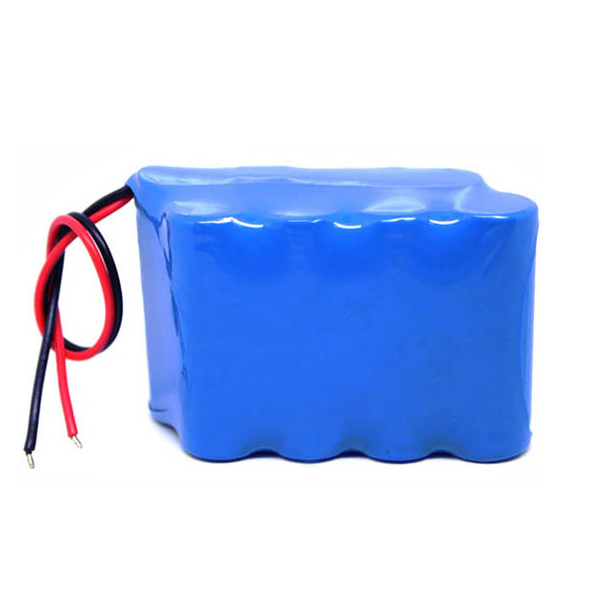
Portable Power Packs
Portable power packs combine batteries, charging systems, and protective housings into compact packages. They are
particularly useful for kayak fishing and portable sonar systems.
How Fish Finder Runtime Is Calculated
One of the most common questions anglers ask is how long a battery will power their equipment.
The Basic Formula
Runtime can be estimated using the following formula:
Runtime (hours) = Battery Capacity (Ah) ÷ Current Draw (A)
For example, a 20Ah battery powering a device that consumes 1 amp should theoretically last approximately 20 hours.
Real World Adjustments
Actual runtime may differ due to environmental conditions, battery age, charging efficiency, and display settings.
Safety Margin Considerations
Experienced anglers typically select batteries with additional capacity to ensure reliable operation during extended
trips.
Fish Finder Voltage Considerations for Maximum Performance
Voltage consistency is critical for achieving peak Fish Finder performance.
Avoiding Voltage Drops
Long cable runs and undersized wiring can create voltage drops that negatively impact electronics. Using appropriate
wire gauges helps maintain stable power delivery.
Battery State of Charge
Monitoring battery charge levels ensures sufficient voltage remains available throughout the trip.
Using Voltage Meters
Installing a voltage monitor allows anglers to track battery health and prevent unexpected power loss.
Fish Finder Power Supply Options for Different Boats
Different vessels require different power strategies.
Kayaks
Kayak anglers often prioritize lightweight batteries and compact installations. Lithium batteries are particularly
attractive because they reduce overall weight.
Small Fishing Boats
Smaller boats may dedicate a separate battery specifically for sonar electronics, minimizing interference from
trolling motors.
Large Offshore Boats
Larger vessels frequently use integrated electrical systems with multiple batteries and sophisticated power
management equipment.
Fish Finder Wiring Best Practices
Proper wiring is just as important as selecting the right battery.
Use Marine Grade Components
Marine environments are harsh and corrosive. Marine-grade wiring and connectors provide improved durability and
reliability.
Install Proper Fuses
Every Fish Finder installation should include an appropriately rated fuse to protect equipment and wiring.
Minimize Electrical Noise
Routing power cables away from trolling motor wiring can reduce interference and improve sonar clarity.
Fish Finder Lithium Batteries Versus Lead Acid Batteries
Choosing between lithium and lead-acid batteries is one of the most important decisions anglers face.
Weight Comparison
Lithium batteries can weigh significantly less than comparable lead-acid batteries, making them ideal for portable
applications.
Lifespan Comparison
Lithium batteries often provide thousands of charge cycles, greatly exceeding traditional lead-acid technologies.
Cost Analysis
Although lithium batteries cost more initially, their extended service life can result in lower long-term ownership
costs.
Fish Finder Charging and Maintenance Tips
Proper charging and maintenance maximize battery lifespan and performance.
Use Compatible Chargers
Always use chargers designed for your specific battery chemistry.
Avoid Deep Discharges
Repeated deep discharges can shorten battery life, especially with lead-acid technologies.
Store Batteries Correctly
Proper storage conditions help maintain battery health during off-seasons and periods of inactivity.
Fish Finder Safety Considerations When Choosing a Power Supply
Safety should never be overlooked when designing a marine electrical system.
Prevent Short Circuits
Use insulated connectors and secure wiring to minimize the risk of accidental short circuits.
Protect Against Water Exposure
Waterproof battery boxes and sealed connectors improve safety and reliability.
Follow Manufacturer Recommendations
Always follow installation guidelines provided by equipment manufacturers.
Fish Finder Common Power Supply Mistakes to Avoid
Avoiding common mistakes can save money and prevent equipment issues.
Choosing Insufficient Capacity
Many anglers underestimate power requirements and purchase batteries that are too small.
Ignoring Voltage Specifications
Using incompatible voltage systems can damage equipment and void warranties.
Neglecting Maintenance
Regular inspection and maintenance improve reliability and extend battery life.
Fish Finder Future Trends in Marine Power Technology
The marine electronics industry continues to evolve rapidly.
Advanced Lithium Solutions
Battery technologies are becoming lighter, safer, and more efficient.
Smart Battery Monitoring
Bluetooth-enabled battery monitoring systems provide real-time performance data.
Integrated Energy Management
Future systems will increasingly combine charging, monitoring, and power distribution into unified platforms.
Conclusion on Selecting the Ideal Fish Finder Power Supply
Selecting the ideal power supply requires careful consideration of battery technology, capacity, voltage stability,
wiring quality, runtime requirements, and overall system design. By understanding how your Fish Finder consumes
energy and matching those requirements with a reliable power source, you can enjoy longer fishing trips, improved
sonar performance, and greater confidence on the water. Whether you choose a traditional AGM battery or a modern
lithium solution, investing in a properly designed Fish Finder power system will enhance reliability, protect
valuable electronics, and contribute to a more successful fishing experience every time you head out on the water.